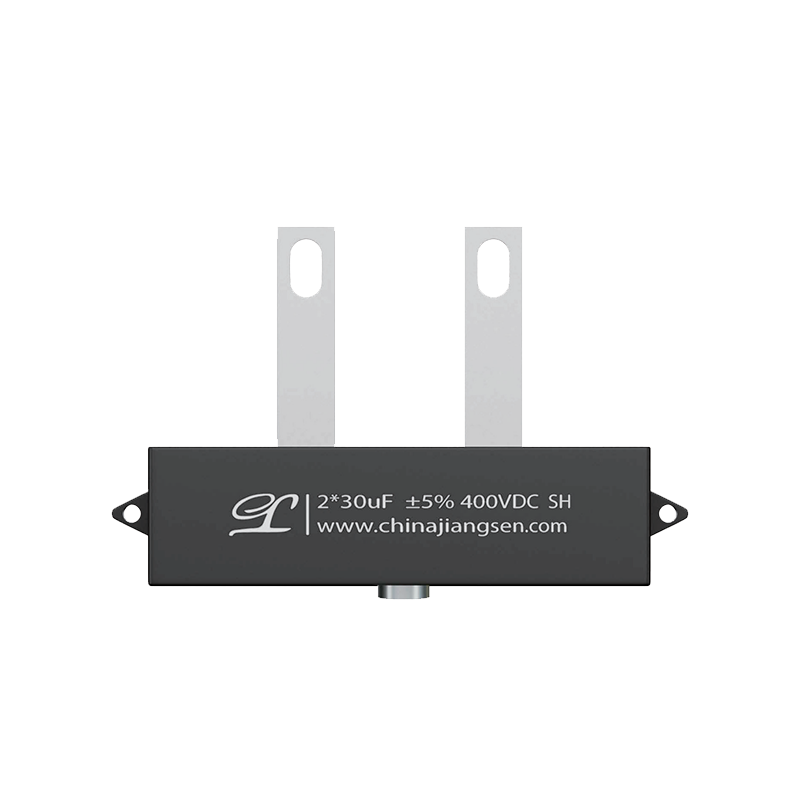
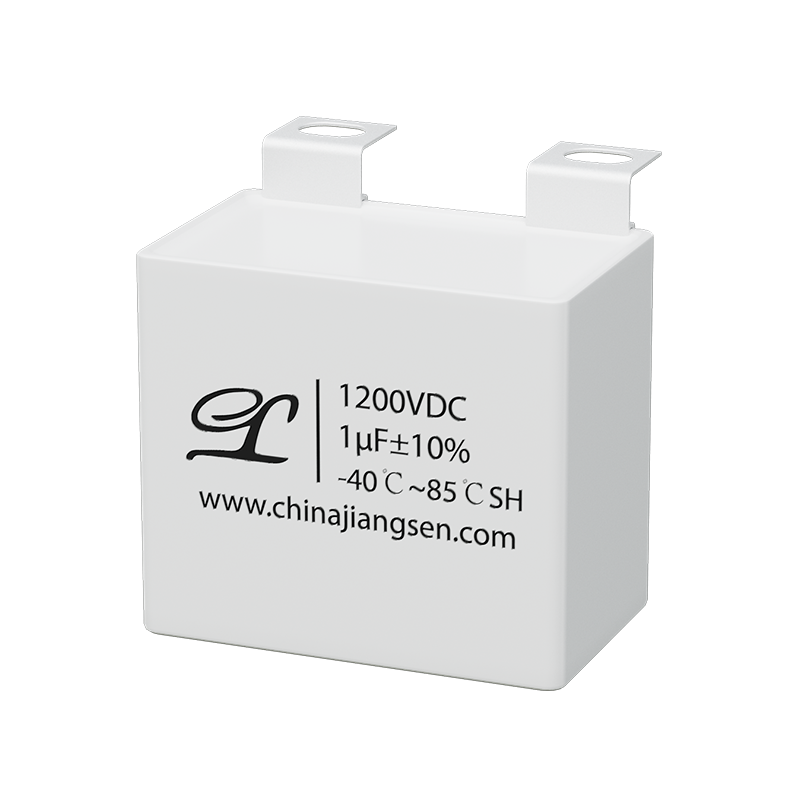
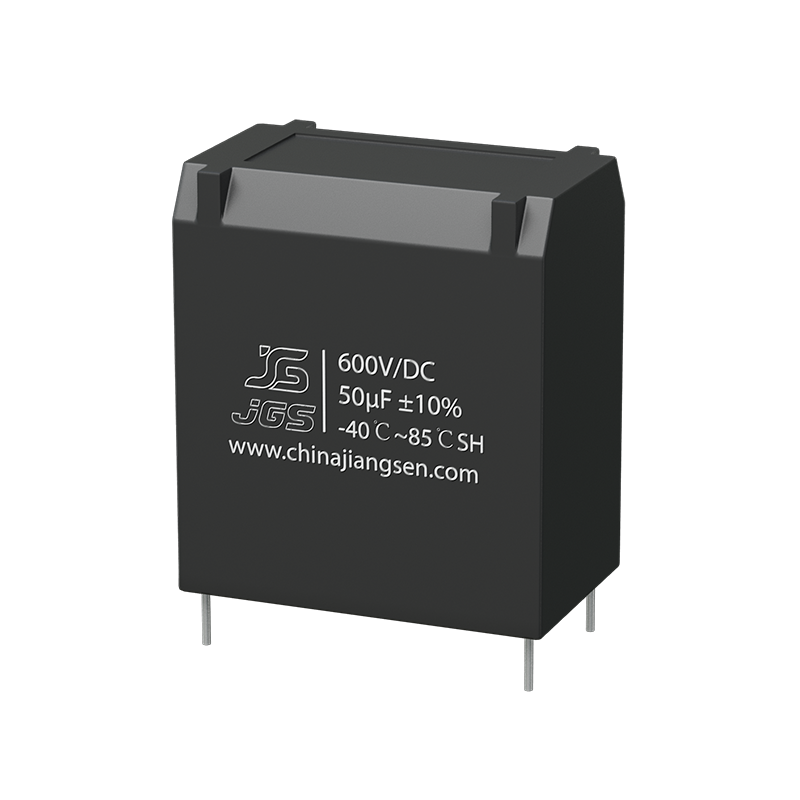
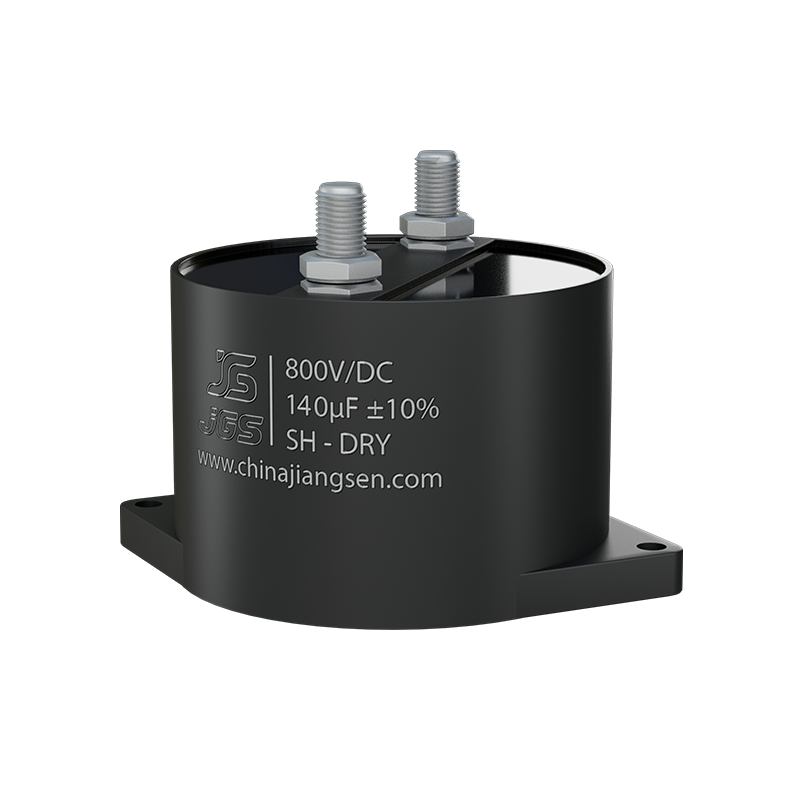
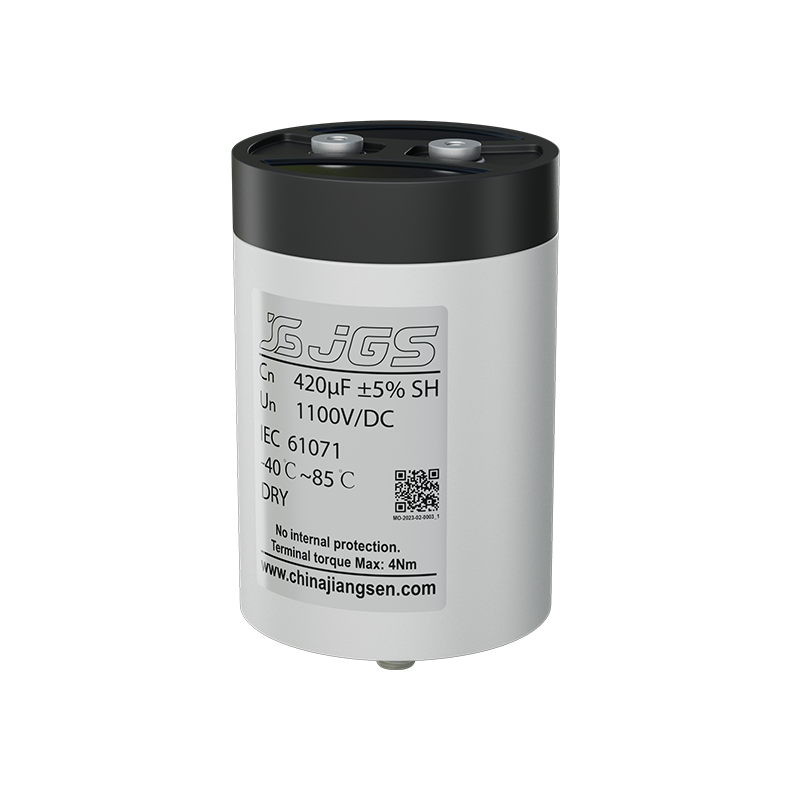
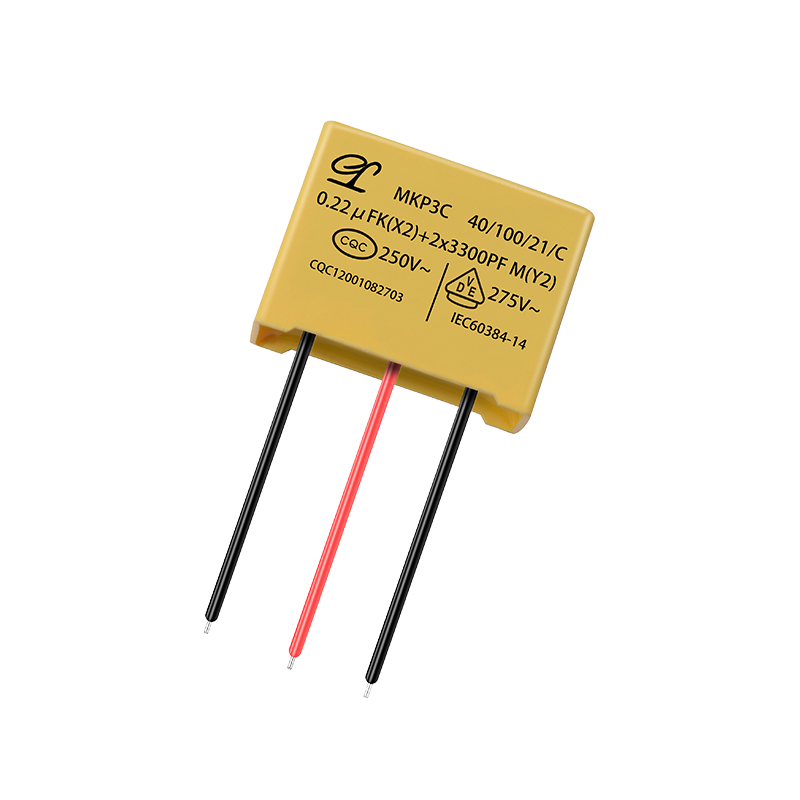
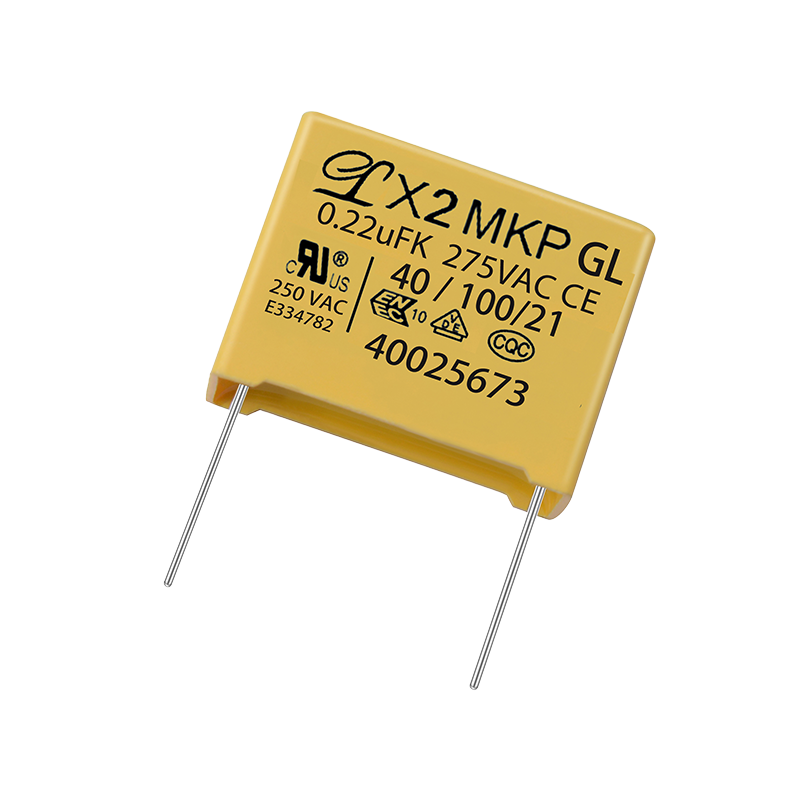
Kapasitor motor AC yang terbuat dari logam adalah komponen pasif penting yang didedikasikan untuk sistem motor arus bolak-balik, dengan kinerja penyembuhan mandiri, masa pakai yang lama, dan karakteristik kelistrikan yang stabil sebagai keunggulan utamanya. Mereka terutama dibagi menjadi kapasitor start motor dan kapasitor penggerak motor, yang menjalankan tugas utama perpindahan fasa, peningkatan torsi, bantuan start, dan stabilitas operasional untuk motor AC.
Tanpa kapasitor ini, motor AC satu fasa tidak dapat melakukan self-starting, dan motor tiga fasa akan mengalami penurunan efisiensi, peningkatan konsumsi energi, dan masa pakai yang lebih pendek selama pengoperasian. Mereka adalah komponen inti yang tak tergantikan dalam peralatan rumah tangga, peralatan industri, perkakas listrik, dan sistem kelistrikan otomotif yang dilengkapi dengan motor AC.
Dalam aplikasi teknik praktis, kapasitor motor AC berlapis logam dapat meningkatkan torsi awal motor satu fasa lebih dari 50% dan mengurangi kehilangan daya pengoperasian motor tiga fasa sebesar 10% hingga 20%, sekaligus secara efektif menekan lonjakan rangkaian dan interferensi harmonik, melindungi kumparan motor dan komponen listrik periferal dari kerusakan.
Struktur film metalisasinya memberikan kinerja keselamatan yang unggul dibandingkan dengan kapasitor foil tradisional, mencegah kegagalan besar seperti kerusakan dan korsleting, sehingga sangat meningkatkan keandalan sistem.
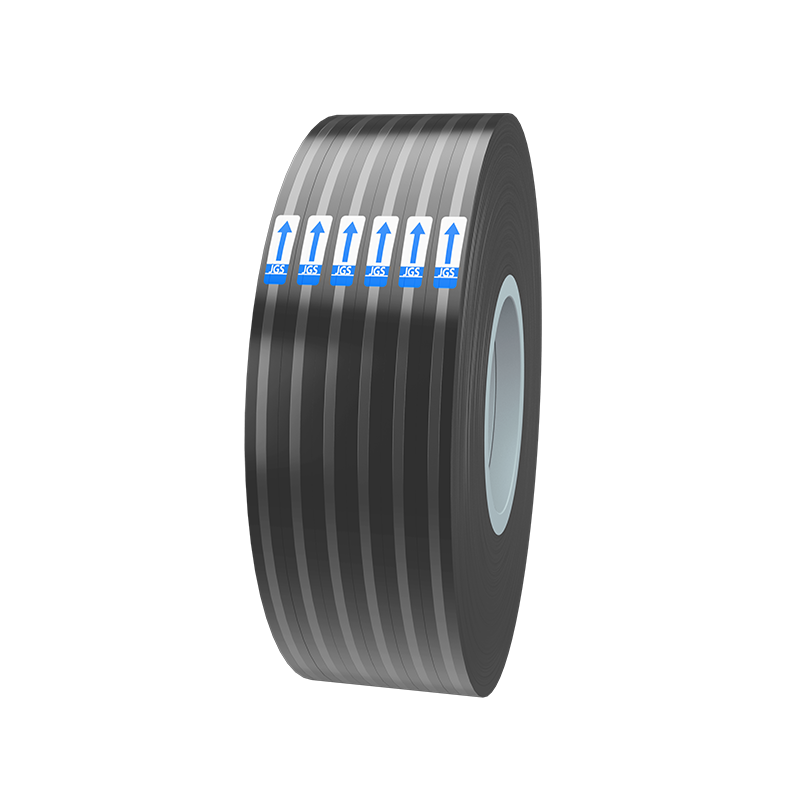
Inti menggunakan film plastik metalisasi dua sisi sebagai bahan dielektrik dan elektroda. Bahan umum termasuk polipropilen dan poliester, dengan polipropilena metalisasi menjadi yang paling banyak digunakan karena kekuatan dielektriknya yang tinggi, kehilangan yang rendah, dan ketahanan suhu yang kuat.
Lapisan logam tipis (aluminium atau paduan seng-aluminium) diuapkan secara vakum ke dalam film. Ketebalannya hanya beberapa ratus nanometer. Struktur ini memungkinkan penyembuhan diri dan mengurangi ukuran dan berat.
Dua lapisan film logam ditumpuk dan digulung menjadi inti silinder. Setelah penggulungan, perlakuan panas suhu tinggi menghilangkan tekanan internal.
Penyemprotan logam diterapkan pada kedua ujungnya untuk membentuk elektroda, diikuti dengan sambungan timah. Inti disegel menggunakan resin epoksi atau minyak isolasi dalam cangkang plastik atau logam untuk insulasi, ketahanan terhadap kelembapan, dan perlindungan mekanis.
Ketika kerusakan dielektrik terjadi, lapisan logam di sekitarnya langsung menguap, mengisolasi area patahan dalam hitungan mikrodetik. Kapasitor terus beroperasi tanpa kerusakan permanen.
Kapasitor foil tradisional akan mengalami korsleting secara permanen, sedangkan kapasitor logam dapat pulih dan terus bekerja. Umurnya tiga kali lebih lama dengan tingkat kegagalan yang jauh lebih rendah.
Kapasitor motor AC metalisasi banyak digunakan pada peralatan rumah tangga seperti AC, mesin cuci, lemari es, kipas angin, dan range hood.
Dalam sistem industri, mereka digunakan dalam pompa, kompresor, kipas angin, dan motor konveyor. Mereka juga digunakan dalam perkakas listrik, sistem kelistrikan otomotif, dan mesin pertanian.
Standarnya mencakup sertifikasi IEC 60252, UL, VDE, dan CQC yang mencakup keselamatan, ketahanan api, dan kekuatan mekanik.
Pengujian rutin meliputi pengukuran kapasitansi, resistansi isolasi, dan pengujian ketahanan tegangan. Pengujian jenis mencakup getaran, kelembapan, siklus suhu, dan pengujian seumur hidup.
Kapasitor yang memenuhi syarat dapat bertahan lebih dari 10.000 siklus start-stop tanpa penurunan kinerja.
Suhu pengoperasian berkisar dari -40℃ hingga 85℃, dengan versi suhu tinggi hingga 105℃. Mereka bekerja dengan andal di lingkungan yang lembap, berdebu, dan korosif.
Variasi kapasitansi tetap stabil di bawah fluktuasi suhu, memastikan kinerja motor konsisten.
| Indeks Kinerja | Kapasitor Motor AC Berlogam | Kapasitor Foil Tradisional |
|---|---|---|
| Fungsi penyembuhan diri | Ya | Tidak |
| Kehidupan Pelayanan | Panjang | Pendek |
| Volume & Berat | Kecil & Ringan | Besar & Berat |
| Tingkat Kegagalan | Rendah | Tinggi |
Kapasitor berlapis logam menawarkan penyembuhan mandiri, ukuran ringkas, dan peningkatan efisiensi energi. Mereka meningkatkan faktor daya motor di atas 0,9 dan mengurangi kehilangan energi.
Meskipun biaya awal sedikit lebih tinggi, masa pakai yang lama dan tingkat kegagalan yang rendah mengurangi biaya pemeliharaan dan penggantian secara signifikan.
Hindari siklus start-stop yang sering. Pastikan pengosongan penuh sebelum memulai kembali. Periksa secara teratur apakah ada pembengkakan, kebocoran, atau bau.
Masalah umum termasuk kegagalan motor untuk memulai, berkurangnya torsi, panas berlebih, atau peningkatan. Jika kapasitansi turun lebih dari 15%, penggantian diperlukan.
Penggantian harus sesuai dengan spesifikasi asli dan dilakukan dengan daya terputus sepenuhnya.
Teknologi film baru meningkatkan kepadatan kapasitansi lebih dari 30%, mendukung desain motor kompak.
Material canggih memperpanjang masa pakai lebih dari 100.000 jam dalam kondisi terukur.
Manufaktur beralih ke proses bebas timbal dan bebas halogen yang sesuai dengan standar RoHS dan REACH.
Kapasitor masa depan mengintegrasikan sensor dan modul perlindungan untuk pemantauan waktu nyata dan sistem kontrol motor cerdas.

© 2010-2024 www.chinajiangsen.com Semua hak dilindungi undang-undang.Produsen Kapasitor Film Daya Dc Link Kustom Kebijakan Privasi
增值电信业务经营许可证 苏ICP备12026789号-1